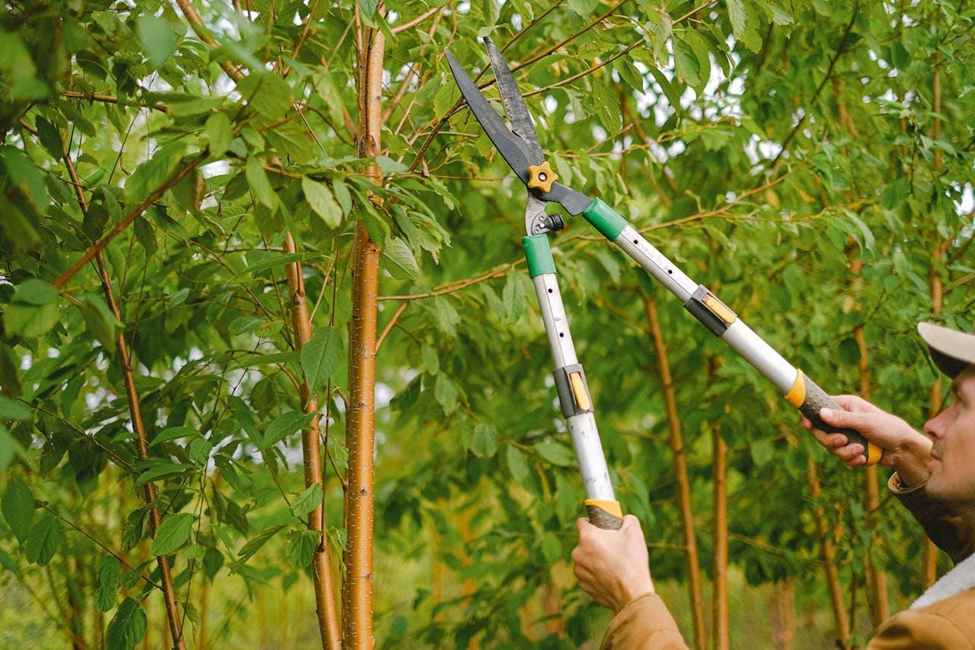
There is something deeply comforting about having large, mature trees on your property. They provide incredible shade in the summer, give the neighborhood an established, grounded feel, and frankly, they make a yard look beautiful. But owning a property with massive trees comes with a real sense of responsibility.
Unlike small saplings that you can casually trim with a pair of handheld shears on a Saturday morning, mature giants require a strategic approach. If you hack away at them incorrectly, you can permanently stunt their growth, introduce disease, or create a major safety hazard above your roofline.
Managing these gentle giants doesn’t have to be overwhelming. By breaking down your maintenance into smart, seasonal habits, you can keep your canopy looking pristine while protecting your home from unexpected branch failures.
1. Capitalize on the Dormant Winter Window
Most people think about yard work as a spring or summer activity, but when it comes to major structural pruning, winter is actually prime time. When a tree goes dormant, its growth slows down completely, and it drops its leaves.
This naked canopy gives you a crystal-clear view of the tree’s actual skeleton. You can easily spot crossing branches, hidden cracks, and structural flaws that are totally obscured by thick summer foliage. Pruning during the freezing months also minimizes stress on the tree. Because fresh cuts are exposed to cold air rather than summer humidity, the risk of attracting pests or airborne fungal infections is virtually zero.
2. Follow the 25% Rule to Prevent Shock
When you finally get up into a canopy to start cleaning things up, it is easy to get carried away. You cut one ugly branch, notice another uneven spot, and before you know it, the ground is covered in wood.
For mature trees, over-pruning is a death sentence. A good rule of thumb is never to remove more than 25% of a tree’s total live canopy in a single season. Mature trees rely on their established leaf surface area to produce food and sustain their massive root systems. If you strip away too much foliage all at once, the tree panic-grows a massive flush of weak, vertical shoots called water sprouts. These sprouts look terrible and break easily in high winds.
3. Clear Out the Dead, Damaged, and Diseased “Three Ds”
If you are nervous about where to make your first cuts, always start with the absolute certainties: the dead, the damaged, and the diseased wood. This is the low-hanging fruit of tree care that instantly improves both safety and aesthetics.
Dead branches are a constant liability, especially during violent summer storms or heavy winter ice buildups. Diseased limbs act like a contagion, allowing rot or invasive bugs to slowly creep back into the main trunk. Removing these problem areas allows the tree to redirect its water and nutrients to the healthy, vibrant branches that actually need it. For massive, towering specimens where the deadwood is sitting forty feet in the air, trying to DIY the job with an extension saw is an emergency room visit waiting to happen. It is always wiser to hand the heavy lifting over to an outfit like Four Seasons Tree Service to safely clear the canopy without dropping a massive limb onto your power lines.
4. Keep the Center Clean for Airflow
A healthy mature tree shouldn’t look like an impenetrable wall of green. If a canopy is so dense that wind cannot pass through it, the entire tree acts like a giant sail during a storm. The sheer resistance puts immense pressure on the trunk and roots.
Take some time to thin out the crowded interior of the canopy. Remove small, weak branches that are growing inward toward the trunk rather than outward toward the sun. Opening up the center allows wind to glide through the branches smoothly, reducing the risk of uprooting. It also lets sunlight penetrate deep into the lower limbs, preventing them from dying off due to lack of light.
5. Know When to Supplement Your Landscape
Sometimes, despite your best pruning efforts, an old tree reaches the natural end of its lifespan, or a massive storm leaves a gaping hole in your backyard privacy screen. Pruning is about preservation, but a smart property owner always keeps an eye on the future layout of their yard.
If you find yourself having to remove a hazardous old giant, don’t leave the space empty. Planting hardy, year-round greenery is the best way to restore your property’s privacy and structural windbreaks quickly. If you need to fill a sudden gap in your canopy line, looking at specialized regional stocks like Evergreen Trees for Sale in Toronto can help you find a robust, mature replacement that seamlessly blends into your existing landscape without waiting decades for it to grow.