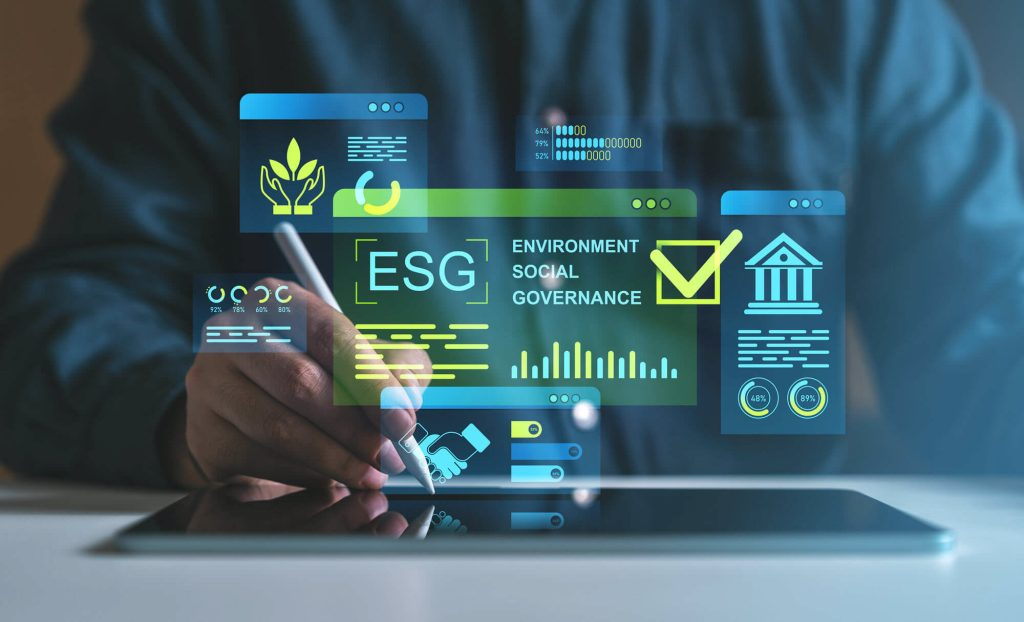
In today’s business landscape, corporate governance is no longer limited to financial transparency and regulatory compliance. Organizations are increasingly expected to demonstrate accountability in environmental, social, and governance (ESG) practices. This shift has made esg reporting software a vital tool for businesses aiming to enhance governance, ensure transparency, and build stakeholder trust. Alongside this, advanced data management software plays a critical role in organizing, analyzing, and reporting ESG data efficiently.
Understanding ESG in Corporate Governance
Corporate governance refers to the systems, principles, and processes by which companies are directed and controlled. ESG factors have become central to governance frameworks because they address risks and opportunities related to sustainability, ethics, and long-term value creation.
- Environmental (E): Carbon emissions, energy usage, waste management
- Social (S): Employee welfare, diversity, community engagement
- Governance (G): Board structure, compliance, transparency, ethics
Integrating ESG into governance ensures that businesses operate responsibly while maintaining profitability. However, managing ESG data manually is complex, which is where esg reporting software becomes essential.
What is ESG Reporting Software?
ESG reporting software is a digital solution designed to help organizations collect, manage, analyze, and report ESG-related data. It simplifies the process of tracking sustainability metrics and ensures compliance with global reporting standards such as GRI, SASB, and TCFD.
By integrating with data management software, these platforms enable companies to centralize vast amounts of ESG data, making reporting more accurate and efficient.
Enhancing Transparency and Accountability
One of the primary roles of esg reporting software in corporate governance is improving transparency. Stakeholders, including investors, regulators, and customers, demand clear and reliable ESG disclosures.
With automated data collection and real-time reporting, organizations can:
- Provide accurate ESG performance metrics
- Reduce the risk of human error
- Maintain audit-ready records
- Demonstrate accountability in decision-making
This level of transparency strengthens trust and enhances the organization’s reputation in the market.
Streamlining Data Collection and Management
Managing ESG data involves gathering information from multiple departments such as HR, operations, finance, and supply chain. Without proper tools, this process can become fragmented and inefficient.
Here’s where data management software integrated with esg reporting software plays a crucial role:
- Centralizes ESG data from multiple sources
- Standardizes data formats for consistency
- Enables real-time updates and monitoring
- Reduces duplication and data silos
Efficient data management ensures that governance decisions are based on reliable and up-to-date information.
Supporting Regulatory Compliance
Governments and regulatory bodies worldwide are introducing stricter ESG disclosure requirements. Companies must comply with these regulations to avoid penalties and maintain their credibility.
ESG reporting software helps organizations:
- Align with global ESG frameworks and standards
- Generate compliance-ready reports
- Track changes in regulatory requirements
- Maintain proper documentation for audits
By automating compliance processes, businesses can reduce administrative burdens and focus on strategic governance.
Improving Risk Management
Effective corporate governance involves identifying and mitigating risks. ESG factors often present both risks and opportunities that can impact long-term business performance.
Using esg reporting software, companies can:
- Identify environmental and social risks early
- Monitor governance-related issues such as fraud or non-compliance
- Analyze trends and predict potential challenges
- Develop proactive risk mitigation strategies
When combined with robust data management software, these insights become even more powerful, enabling data-driven decision-making.
Enabling Better Decision-Making
Corporate governance relies heavily on informed decision-making. ESG data provides valuable insights into a company’s sustainability performance and ethical practices.
With advanced analytics capabilities, esg reporting software allows organizations to:
- Visualize ESG metrics through dashboards
- Compare performance against benchmarks
- Identify areas for improvement
- Align ESG goals with business strategies
Accurate data and insights empower leadership teams to make strategic decisions that drive long-term growth.
Strengthening Stakeholder Engagement
Stakeholders today are more conscious about sustainability and ethical business practices. Investors, in particular, are increasingly considering ESG factors when making investment decisions.
By leveraging esg reporting software, companies can:
- Share transparent ESG reports with stakeholders
- Demonstrate commitment to sustainability
- Build stronger relationships with investors and customers
- Enhance brand reputation and loyalty
Effective communication of ESG performance is a key component of strong corporate governance.
Driving Operational Efficiency
Manual ESG reporting processes are time-consuming and prone to errors. Automation through esg reporting software significantly improves operational efficiency.
Benefits include:
- Reduced manual workload
- Faster report generation
- Improved data accuracy
- Enhanced collaboration across departments
When integrated with data management software, organizations can streamline workflows and optimize resource utilization.
Facilitating Continuous Improvement
Corporate governance is not a one-time effort but an ongoing process. Organizations must continuously monitor and improve their ESG performance to stay competitive.
ESG reporting software enables:
- Continuous tracking of ESG KPIs
- Identification of performance gaps
- Implementation of improvement strategies
- Measurement of progress over time
This continuous improvement approach ensures that governance practices evolve with changing business and regulatory environments.
Top 5 ESG Reporting Software Company Name Ideas
Here are 5 creative company name ideas for an ESG reporting software business, along with brief definitions:
1. GreenLedger Tech
A modern ESG reporting software company focused on tracking environmental impact and sustainability metrics with precision, helping businesses maintain transparent digital records.
2. EcoMetric Systems
Provides advanced ESG reporting software that transforms environmental, social, and governance data into actionable insights for smarter decision-making.
3. 4seer
A powerful ESG reporting software platform designed to analyze sustainability performance and automate compliance reporting across industries.
4. VerdiCore Solutions
Delivers reliable ESG reporting software that centralizes data management, enhances governance practices, and ensures regulatory alignment.
5. EarthPulse Analytics
An innovative ESG reporting software provider that monitors real-time sustainability metrics and helps organizations improve their ESG performance.
The Future of ESG in Corporate Governance
As ESG considerations become more critical, the role of esg reporting software will continue to grow. Emerging technologies such as artificial intelligence and machine learning are expected to further enhance ESG reporting capabilities.
Future trends include:
- Predictive analytics for ESG risk assessment
- Integration with IoT devices for real-time environmental data
- Advanced automation in reporting processes
- Greater standardization of ESG metrics globally
Organizations that adopt these technologies early will gain a competitive advantage and strengthen their governance frameworks.
Conclusion
The integration of ESG principles into corporate governance is no longer optional—it is essential for sustainable growth and long-term success. ESG reporting software plays a pivotal role in enabling organizations to manage ESG data effectively, ensure compliance, and enhance transparency.
When combined with powerful data management software, businesses can unlock deeper insights, improve decision-making, and build stronger relationships with stakeholders. Ultimately, investing in the right tools not only strengthens corporate governance but also positions organizations as responsible and forward-thinking leaders in their industries.