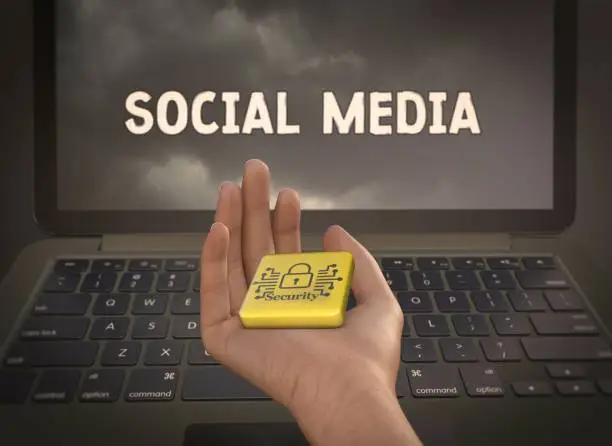
In a time when keeping connected is a big part of our lives—posting on social media, texting pals, and working from home—the technologies we use need to keep up. More and more individuals are utilizing Virtual Private Networks (VPNs) to get better online privacy, better protection on public Wi-Fi, and an extra layer of security when they use social media.
One resource that people frequently forget about is Planet Free VPN, a site that lists VPN solutions that are both secure and easy to use. Users new and old will both benefit from platforms that evaluate features, walk you through common mistakes, and help you choose a VPN that suits your needs as VPNs continue to grow in popularity. These days, you can get VPN programs for just about any platform. Therefore, there is no need to constantly worry about keeping your computer or phone safe.
The danger of identity theft is increased when using social media on a public Wi-Fi network. Universities, coffee shops, and office buildings are just a few of the public spaces that frequently have these networks. A virtual private network (VPN) will encrypt your internet traffic whenever you use it. The likelihood of someone trying to take it is likewise very lower. When social media platforms look slow or are momentarily down, a lot of people have discovered that utilizing a VPN to try again works. This is really useful when there is a lot of traffic on the regional network or when the ISP is restricting some sites.
There is much more to lose for community organizations, small enterprises, and local governments. People’s trust may be damaged or private messages may become public if someone breaches a social media account or releases data. Businesses can monitor and reduce the hazards associated with open networks by routing traffic through secure tunnels. Private information is typically handled by those in Canberra who work in public service, education, or research. Even when they are working from home, adding a VPN to their toolkit helps protect that data.
It’s still hard to know which VPN to use. Some companies say they have “unlimited bandwidth” or “no logs” without any proof that has been checked by a third party. Some people might need to turn off features like kill switches on mobile devices, which makes you less safe if the VPN connection stops. VPN experts often say that RAM-only servers, clear privacy policies, and kill-switch protection for mobile platforms should be at the top of your list.These features ensure that your traffic never lands on permanent storage and that your device won’t default back to an insecure connection if something fails.
One factor often overlooked is latency and speed. Because encryption and rerouting necessarily add overhead, you want a VPN with servers close to your physical region and good infrastructure. To cut down on lag, several providers now use a lot of edge servers in major cities and academic centers. If it takes a long time to connect to social media or cloud services, switching VPN servers or protocols (such WireGuard or OpenVPN) could help a lot.
Another thing to think about is whether the device will work with it. A VPN needs to work well with smartphones and tablets because more and more people use them for everything from banking to social media. Stateful apps for iOS and Android have features like split tunneling, a kill switch, and automatic launch. This means that the VPN works in the background and doesn’t get in the way of your writing, talking, or looking at analytics reports.
Of all, technology changes quickly. Platforms alter the guidelines for connecting, new threats emerge, and bugs are found. VPN providers must therefore act swiftly and ensure that their software is always current. Publicly accessible changelogs, security audits, and transparency reports increase the likelihood that customers will trust a supplier. This is due to the fact that they are more prone to think they can quickly resolve customer issues.
It’s not required for someone who isn’t very tech-savvy to add a VPN anymore. If you use social media, go to critical websites, or handle sensitive information, I highly recommend it. A good VPN may easily become a part of your digital life and make your social media use safer, more private, and more reliable than it was before. It does this using mobile apps, strong security measures, and superior server infrastructure.
